






 Copy Link
Snapshots
Diwali, the Festival of Lights, illuminates every corner of the country with dazzling lamps, vibrant colours, and heartfelt celebrations. However, beyond the familiar fireworks and sweets lies a tapestry of unique regional traditions that reflect India’s rich cultural diversity. From cow worship in the north of India to grand boat races in the south, each state adds its own magical touch to the Diwali festivities. Discover the lesser known Deepavali traditions and customs that can only be truly experienced across the varied landscapes of India.
Significance of Diwali celebrations in India
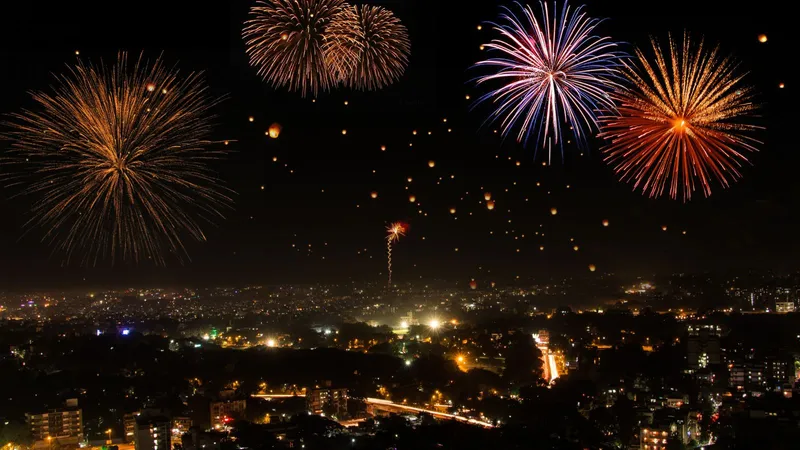
One of the most cherished festivals in India, Diwali holds deep spiritual, cultural, and social significance. Rooted in the triumph of light over darkness and good over evil, it commemorates Lord Rama’s return to Ayodhya after defeating Ravana, as well as Lord Krishna’s victory over Narakasura. For many, Diwali also marks the Hindu New Year and honours Goddess Lakshmi, the deity of wealth and prosperity. Diwali fosters unity, gratitude, and renewal as families come together to celebrate hope, abundance, and new beginnings.
Unique Diwali traditions that can only be experienced in India
Diwali is celebrated across the length and breadth of India with unparalleled grandeur. Yet, beneath the shimmering surface of the diyas and fireworks lies a vibrant mosaic of regional traditions that are deeply rooted in centuries-old customs, while others are shaped by local legends and lifestyles. Here are some unique Diwali traditions that are found only in India, each adding its own sparkle to the country’s most celebrated festival-
1. Dev Deepawali - Varanasi
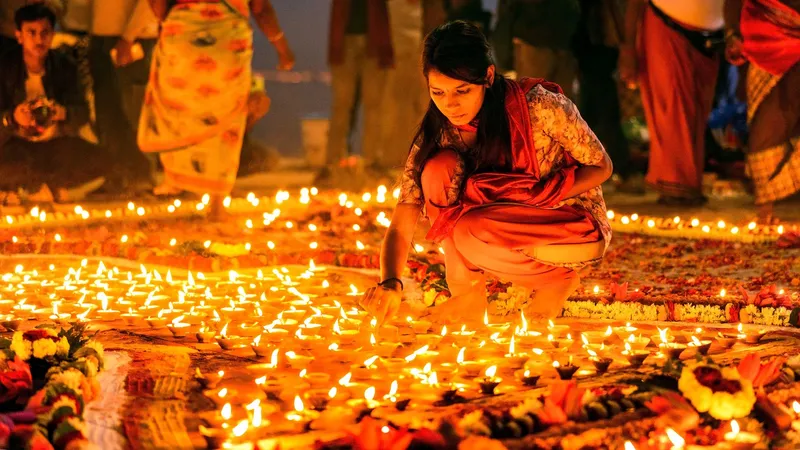
Although Deepavali traditions are celebrated across India, Dev Deepawali in Varanasi is a celestial event of its own. Celebrated 15 days after Diwali, this event honours the return of the Gods to Earth. On this night, the ghats of the Ganga are lit with over a million diyas, creating an ocean of light. The reflection of flames on the sacred river, combined with the Vedic chants and fireworks, turns the city into a spiritual dreamscape.
2. Pushkar camel fair - Rajasthan
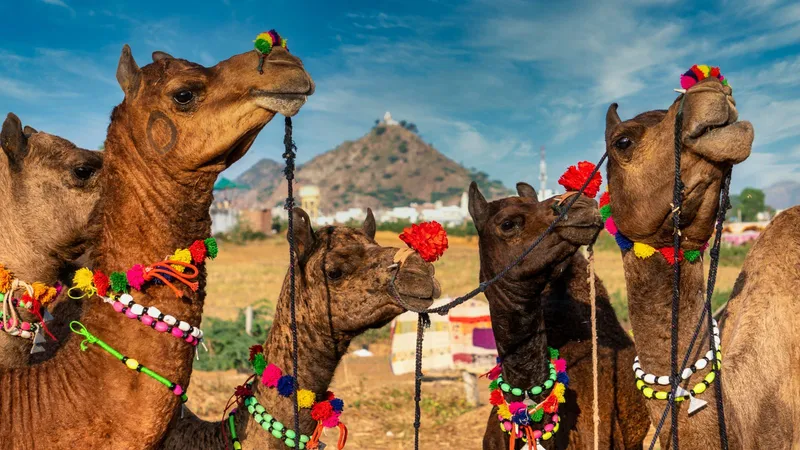
In the holy town of Pushkar, Diwali isn't just about lamps, but about camels, colour, and chaos. The Pushkar Camel Fair, which is held around Kartik Purnima, is one of the world’s largest livestock fairs. Tribal traders in vibrant traditional attire for Diwali, along with folk musicians, acrobats, snake charmers, and pilgrims, flock to Pushkar during this time of the year. As the sacred Pushkar Lake gets lit up with oil lamps for Kartik Snan, the desert land of Rajasthan turns into a surreal fusion of the spiritual and spectacular.
3. Karthigai Deepam - Tiruvannamalai, Tamil Nadu
While most of India concludes its festival season with Diwali, Tamil Nadu’s grandest light festival comes weeks later during Karthigai Deepam, especially in the temple town of Tiruvannamalai. With a massive fire lamp lit atop the Arunachala Hill that represents Lord Shiva as an infinite column of fire, thousands of devotees walk barefoot around the sacred hill, performing Giri Pradakshina.
4. Bandi Chor Divas- Punjab
While most of India celebrates Rama’s return, the Sikhs observe Bandi Chor Divas as part of their traditions for Diwali. A day that honours the return of Guru Hargobind Ji from imprisonment, along with 52 kings, the Golden Temple gets adorned with thousands of lamps during this day. A deeply spiritual celebration of freedom, sacrifice, and justice, the Bandi Chor Divas seamlessly blends with Diwali’s overarching theme of good over evil.
_1729670990138_thumb_300.jpeg?w=800&f=webp&t=ccfad5e225befada)
5. Kali Puja- West Bengal
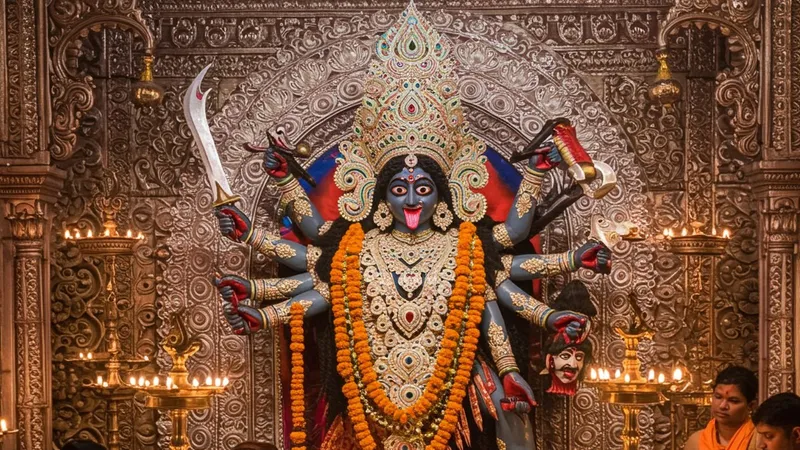
In West Bengal, traditions on Diwali are connected to the worship of Goddess Kali, who is considered as the fierce protector of the innocent. At midnight, devotees offer red hibiscus, meat, rice, and even liquor to the goddess in a deeply tantric ritual. Temples are adorned with dramatic idols of the goddess with her tongue out, garlanded in skulls and illuminated with oil lamps. The spiritual energy of the night is both intense and reverent, which turns this unique Diwali tradition into a mystical exploration of light and darkness.
6. Annakut and Govardhan Puja- Gujarat and Uttar Pradesh
The day after Diwali, temples in Mathura, Vrindavan, and Gujarat overflow with offerings during Annakut, where a mountain of food is prepared to honour Lord Krishna for lifting the Govardhan Hill. The dishes range from sweets and curries to savouries and pickles, which are all arranged in tiered patterns. Temples turn into culinary shrines, and devotees enjoy the divine feast as prasad. This Deepavali tradition portrays devotion through abundance, and makes for a unique Diwali continuation.
7. Naraka Chaturdashi- South India
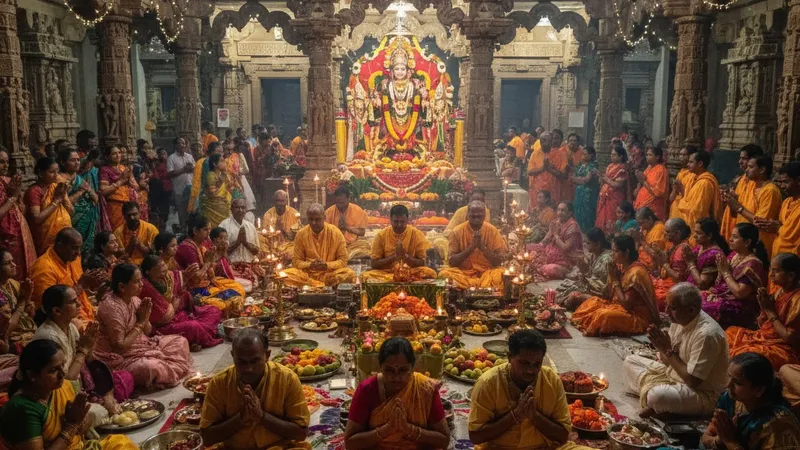
In South India, especially in parts of Karnataka, Andhra Pradesh, and parts of Kerala, the unique Diwali tradition that follows is that of Naraka Chaturdashi. Celebrated a day before the Diwali, this event marks Lord Krishna’s slaying of the demon Narakasura. The celebrations begin with an abhyangsnan, which is a ritual bath before sunrise with oil and shikakai, thereafter followed by prayers, burning of firecrackers, and sweets. This tradition on Diwali emphasises on cleansing, protection, and new beginnings.