






 Copy Link
Snapshots
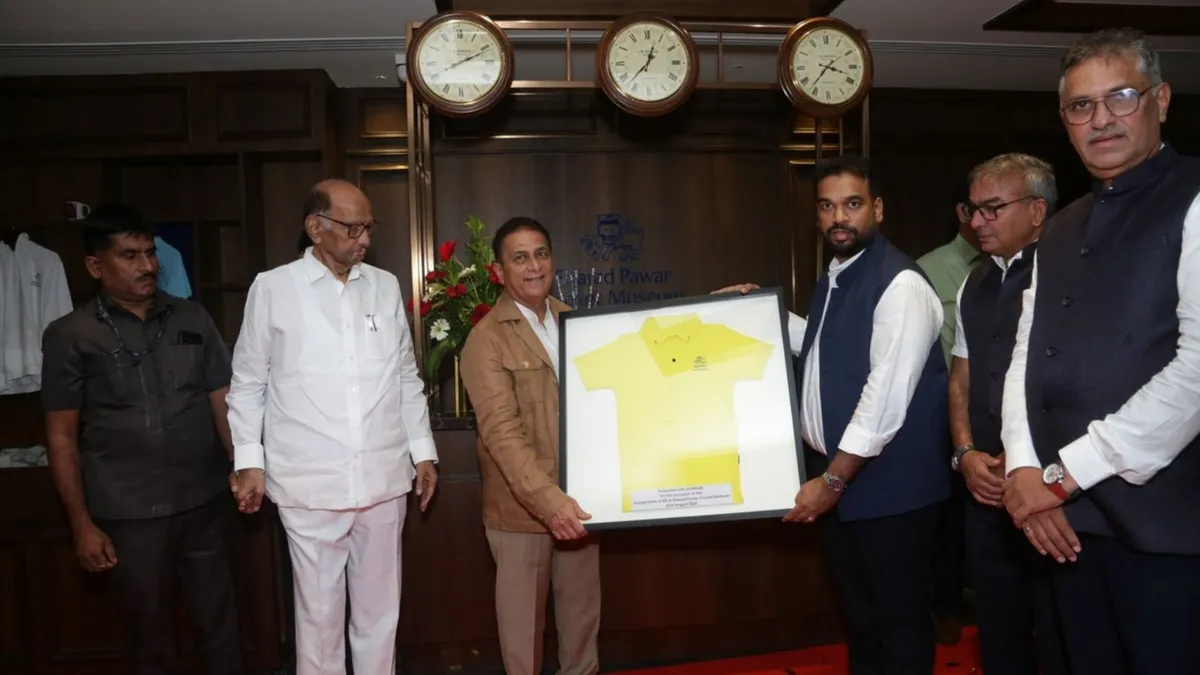
From viral museum visuals to legendary match moments, Mumbai’s Wankhede Stadium stands as a living monument to Indian cricket. The Sharad Pawar Cricket Museum adds a powerful new chapter—celebrating players and administrators and defining memories that shaped the sport and the city’s enduring cricketing soul.
A look inside the new MCA museum
Pictures taken inside Mumbai's Sharad Pawar Cricket Museum (MCA Museum), which is located at Wankhede Stadium, have lately gone popular online, drawing the interest of cricket lovers all across the country. The museum, which pays homage to the life and work of the late cricket administrator and seasoned politician, provides visitors with an unparalleled opportunity to learn about and appreciate the sport of cricket in India. The museum's carefully selected displays, which include trophies, historic images, personal effects of famous Indian cricketers, and mementos from historical matches, were shown to fans through a virtual tour.
Shri Sharad Pawar's long-cherished dream, the MCA Sharad Pawar Cricket Museum, finally stands tall at Mumbai's Wankhede Stadium. The museum pays tribute to the invaluable contributions made by the Mumbai Cricket Association. The book honours Mumbai and India's cricketing legends and the MCA's global impact. In addition to hundreds of artefacts housed in more than twenty sections, the museum also features interactive digital content that is sure to fascinate, educate, and amuse visitors. The lifelike sculptures of Sunil Gavaskar and Shri Sharad Pawar, who represent greatness and leadership, welcome guests. You may find tees, sweatshirts, and other souvenirs in a souvenir shop.

Whether you're a young fan or a seasoned cricket fanatic, you're sure to enjoy the museum's interactive parts, which let you relive unforgettable moments through digital exhibits and video highlights. This book chronicles the history of Indian cricket from its infancy to its current status as a world force, and it does not stop with modern players; it covers generations. With the establishment of the Sharad Pawar Cricket Museum, Wankhede Stadium becomes an even more culturally and athletically significant location, serving as a center for reminiscence, inspiration, and history, in addition to hosting some of India's most legendary cricket matches.
The amusing history of Wankhede Stadium
It's fascinating to listen to architect Shashi Prabhu tell the narrative of the stadium's birth, which started in 1974. The legend goes that the stadium was built by Sheshrao Wankhede, who was the then-president of the Bombay Cricket Association (BCA), in response to an argument between Vijay Merchant, a former India batsman and the current president of the Cricket Club of India, and the BCA regarding 1,500 seats that the CCI was supposed to give to the BCA. Merchant also denied the MLAs' request to host a friendly match at the CCI. Wankhede had also requested it.
"Go and construct your own stadium," Merchant advised Wankhede. Nearby on Marine Drive, Wankhede constructed a cricket stadium in response to the challenge.
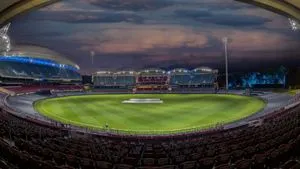
The Bombay Cricket Association (BCA) and the Cricket Club of India, which oversaw Brabourne Stadium, had an argument that led to its construction in 1974. The BCA constructed the 45,000-seat Wankhede Stadium, which is barely a mile distant, to address this issue. During the 1974–75 season, the stadium played host to its inaugural Test match, which pitted India against the West Indies. Clive Lloyd struck an incredible 242 not out in that match, which was also the last Test for the illustrious Mansur Ali Khan Pataudi of India.
Wankhede- a humble host to cricket’s best moments
Wankhede has been there through many important times in history. To wit: Vinod Kambli's memorable 224 runs against England in 1992–1993 and Sunil Gavaskar's outstanding 205 runs against the West Indies in 1978–79. In a domestic encounter here in 1985, Ravi Shastri famously smashed six sixes in an over, becoming the first-class cricketer to achieve the fastest double-century at that time. In the 1980 Jubilee Test, England beat India thanks in large part to Ian Botham's brilliant performance, in which he struck a century and took thirteen wickets, both of which were witnessed at this venue.
During the 2011 World Cup, Wankhede underwent renovations that diminished the advantage that the sea breeze had on swing bowlers. Stands in the stadium that bear the names of cricket greats like Sachin Tendulkar, Vijay Merchant, and Sunil Gavaskar are another reason for its fame.
As Wankhede marks fifty remarkable years, the stadium continues to evolve beyond a sporting venue into a cultural landmark. With the Sharad Pawar Cricket Museum enriching its legacy, Wankhede remains a place where history, pride, and inspiration converge, honouring the past while engaging generations of cricket lovers.