






 Copy Link
Snapshots
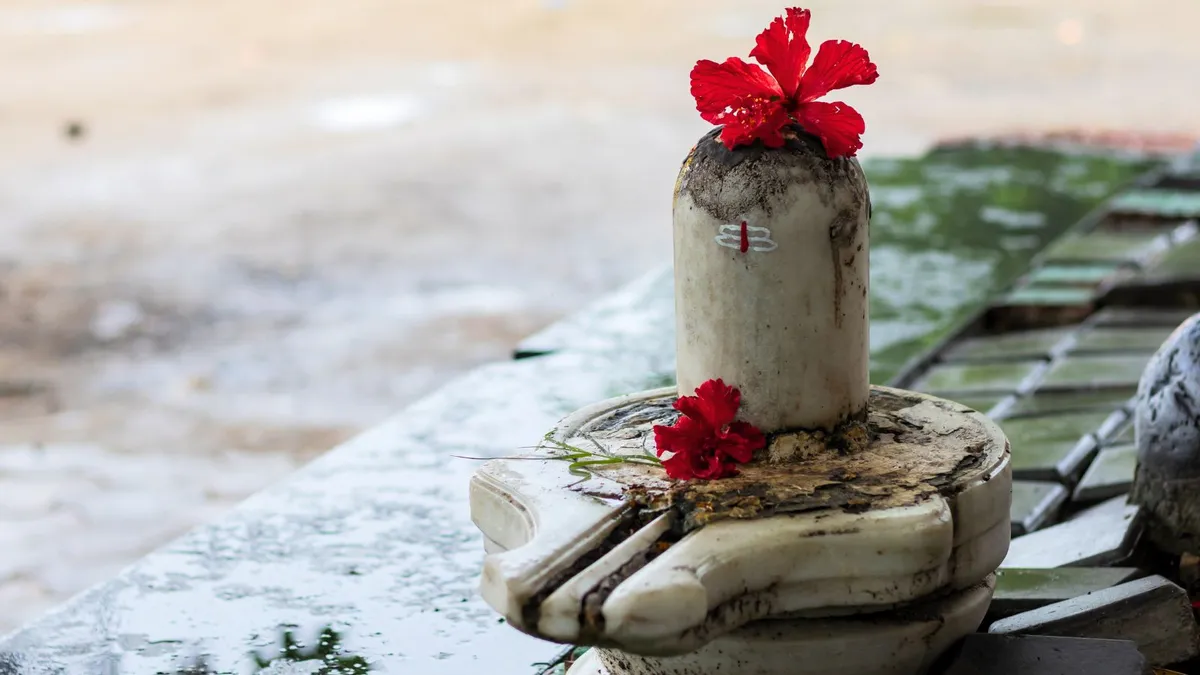
Rural India and ancient Indian tribes start to pay attention to variations in the climate a long time before the official weather notification for monsoons are rolled out. If ant hills are especially tall, farmers look forward to the arrival of rain. According to traditional farmers and ancient Indian tribes, these patterns are more reliable than weather apps for predicting when the monsoon will hit rural areas. There is a connection between the Hindu god Shiva and the monsoon month of Saawan. Kanwariyas, who go barefoot on their pilgrimages, are famed throughout India for pouring sacred water on Shivalingams. 'Saawan' echoes centuries of devotion associated with this moist, fruitful month when women observe fasts, chant kajris, and swing under trees. You should learn about the interesting set of rituals and practices followed by rural Indian communities and tribes!
Hindu mythology surrounding the monsoon
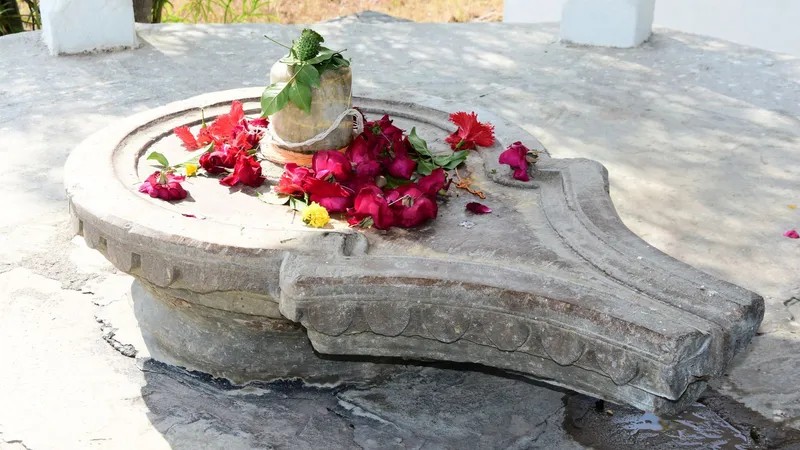
The Indians paid homage to Indra, the thunder-wielding deity of rain, for a long time before meteorologists learnt to predict storm patterns. The Rigveda recounts the heavenly conflict between Indra and Vritra, the demon who restrained the streams. Indra splits the clouds with a lightning bolt, revealing rivers, farms, and futures. This triumph was both cosmic and agrarian in legend. However, rain rituals in remote and ancient tribes do not surround Hindu gods but include colourful and dark storytelling, practices, and more.
_1749197125890_thumb_300.jpeg?w=800&f=webp&t=2c74af538519717f)
The traditions of Meghalayan storytelling
Traditional Khasi practice includes the use of myths and stories. The origins of everything around us may be uncovered via folklore, which takes us on a trip into the hazy past. Tales of tragedy, social injustice, love, and grief provide a window into our shared cultural history. They tell the tales of new beginnings. When people of different generations share stories about their ancestors, with each word serving as a gateway to a fantastical world, the oral heritage of tales and legends returns to its proper position.
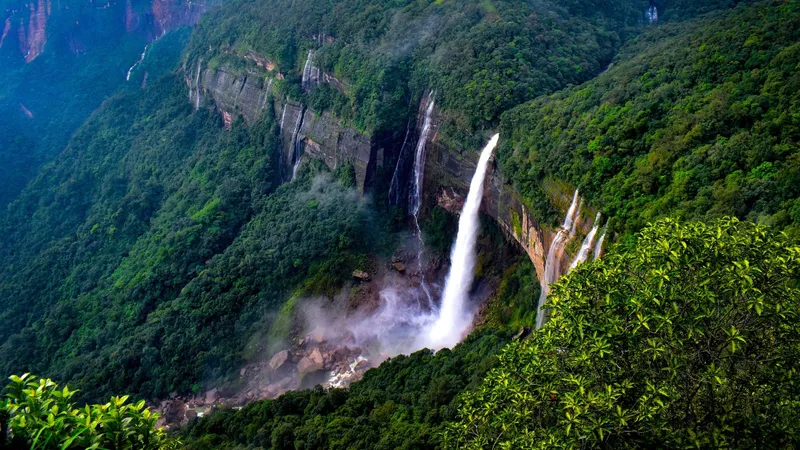
The varied and miraculous terrain is also the source of these tales. The beautiful waterfalls and misty valleys have been the setting for many of Meghalaya's most famous folktales. The Meghalaya waterfalls, especially Noh Ka Likai, are breathtakingly beautiful when the rain falls. Every turn presents stunning natural sculptures, including waterfalls of gushing water that plunge to the rocks below. Here is where the legendary Ka Likai jumped to her death after discovering her husband had murdered his stepdaughter and eaten her for supper, as the story goes.

Kolam Tribal Traditions
Every year, the Kolam people congregate in the Telangana hills to carry out Budbawe, an ancient and revered ceremony that calls upon the rain deity Meghadutha and his wife, Goddess Mandodari. This event, held shortly before the monsoon, combines the elements of prayer and prophecy. It's a chance to pay homage to nature, ask for rain, and learn to read the sky by watching the movements of a lowly animal. The live frog in Budbawe's centre represents fertility and the rain deity. The first step in the process is the careful washing of a Rokali (traditional wooden vessel) with water and turmeric (symbolising cleanliness). After that, the frog is delicately bound to the Rokali and paraded around the village in a lively procession, with the older men (often the brother and brother-in-law) at the head and the youngsters cheering them on. Families congregate at each residence to do a unique puja.
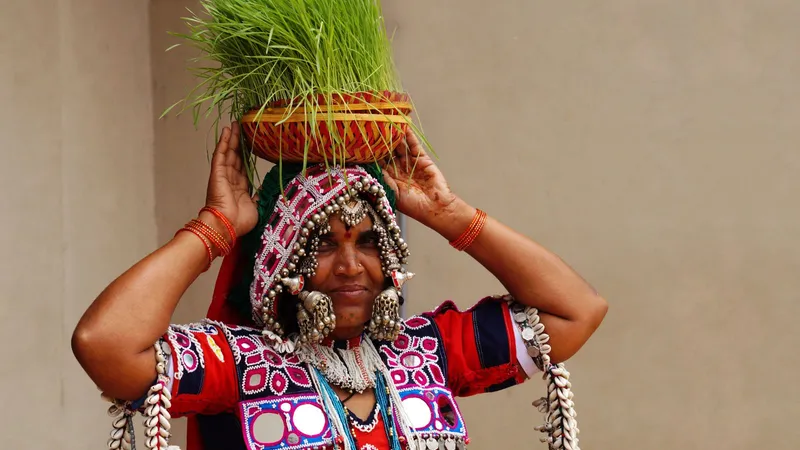
To appease Mandodari and ask for rain to water their fields, woodlands, and livestock, they smear the frog with vermilion and turmeric. The long-awaited discharge of the frog into the bhavi, the village well, occurs after every house has been visited. Everyone is watching the frog's every move. According to the elders, this movement is a kind of traditional weather forecast that shows which side of the community is going to get the most rain in the next several weeks. A temporary cover is constructed from neem branches under a holy neem tree as the ceremony comes to a close. Here you will find all the sacrifices made during the ritual, including the rice, the Oli (oil lamps), the flowers, and the cash.
As a sign of appreciation and unity, the villagers then gather beneath the open sky to have a communal lunch. Dancing, singing, and celebrating the benefits they expect will follow, the air is filled with the rhythmic beats of the dhol and the jingling of gajjalu.
_1749410067496_thumb_300.jpeg?w=800&f=webp&t=5a6d908c3c85b0a4)
Rain rituals of the Palaiyars of Kodaikanal
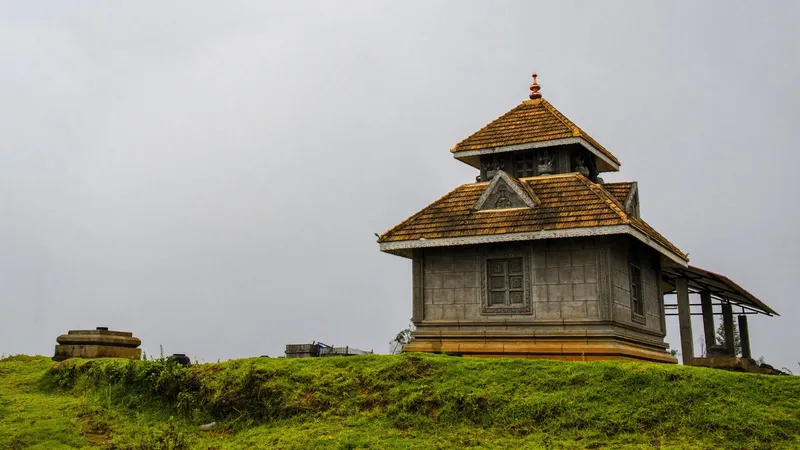
When celebrating a holiday, the Palaiyars don't do it in the traditional three- or four-day format. This most significant event, honouring Bhootha Naachchi Amman, occurs only one night a year. The prayers ask for rain to fall in plenty, protecting the tribe's livelihood sources, and for safety from fires and other dangers. The man who leads the main rituals, known as the Thevaraadi, grows long hair like a woman but hides it under a head wrap so no one can see it. This is done to honour the unisex nature of Bhootha Naachchi Amman.
After Bhootha Naachchi is presumed to have left after the traditional dancing, the women of the tribe join the men in praying at her shrine, asking for rain and an abundance of forest fruit. Each participant receives a small amount of the turmeric-and-water concoction they applied to their roof after the ceremonies. The Palaiyars believe that by performing these ceremonies, they would convince the forest gods to spare their people from wildfires and shower them with abundant rains. No matter how hot and dry the weather is leading up to the festival, it usually rains the night before, which makes this rain ritual quite fascinating!