






 Copy Link
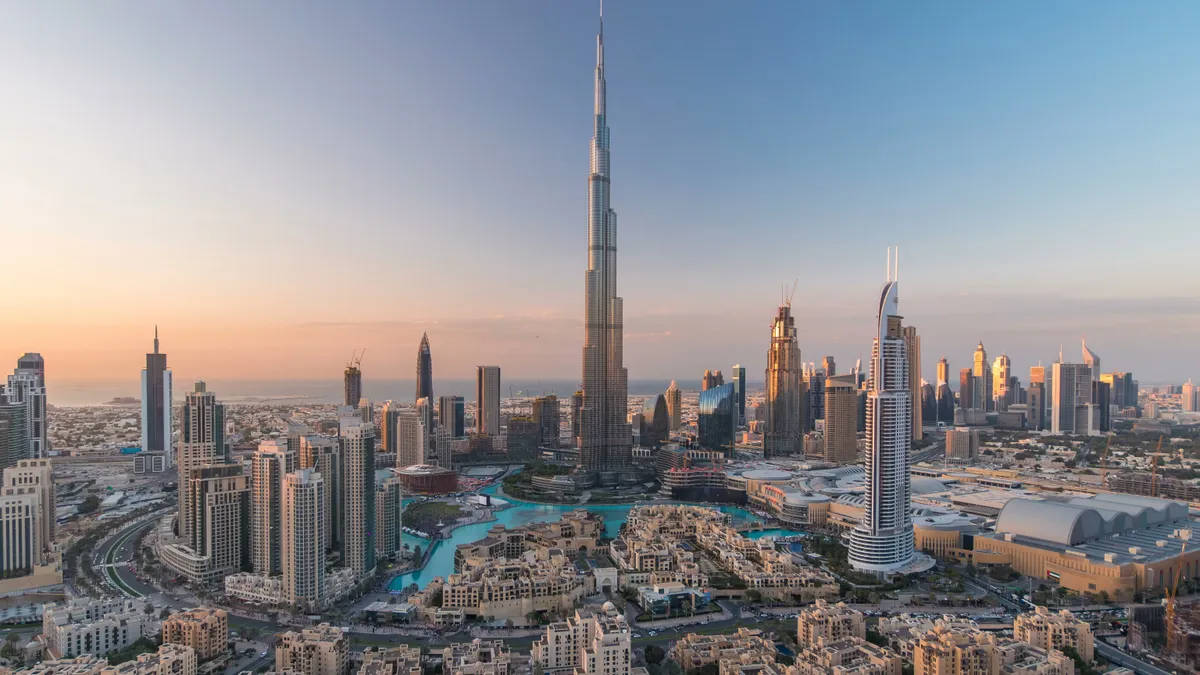
With the world's population on the increase, crowded cities are finding it harder and harder to meet the requirements of all the people who call these places home. Skyscrapers have long been seen by architects as a potential answer to these problems; these high-rises combine residential units with commercial and public areas to provide residents with a more holistic living experience. In response to the challenges of city life, skyscrapers have developed into complex vertical communities with many uses.
All structures, whether finished, in the works, or yet in the planning stages, are eligible for the annual Council on Tall Buildings and Urban Habitat (CTBUH) ranking. These towers showcase modern techniques in building design, structural engineering, and city planning.
Skyscrapers continue to be a contentious issue, even if they can solve urban problems. Worries over their effects on the environment, urban aesthetics, and pedestrian mental health have prompted governments throughout the globe to pass legislation prohibiting their development. The demand for skyscrapers, however, remains high, driven by a worldwide need for vertical living and working areas.
These are the top 10 tallest buildings in the world
The Burj Khalifa, Dubai
With an impressive height of 828 metres (2,717 ft), the Burj Khalifa became the tallest building in the worldupon its completion in 2010. With its distinctive form influenced by Islamic architecture, this famous edifice offers a mix of residential, business, and hotel facilities, as well as observation decks that provide stunning views.
Merdeka 118, Kuala Lampur
On a worldwide scale, Merdeka 118 in Kuala Lumpur is ranked second tallest building in the world. Standing at 679 meters (2,227 ft), it was finished in 2023. In addition to flats and a hotel, the building also has offices. Its design is indicative of Malaysia's advancements in contemporary building practices.
The Shanghai Tower, Shanghai
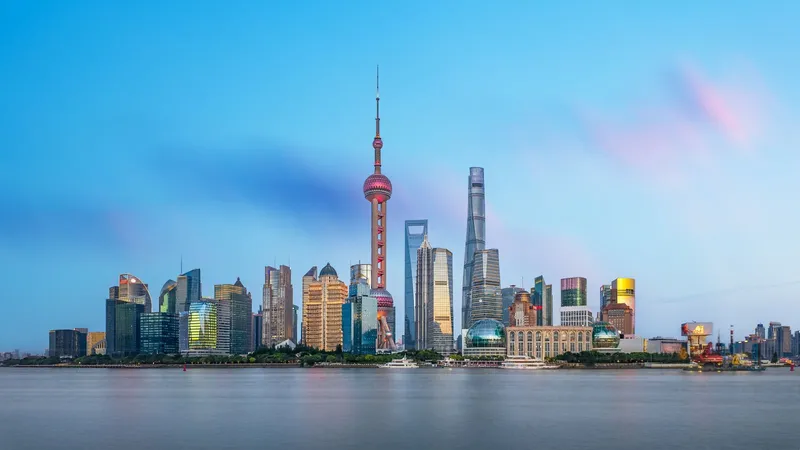
Among China's skyscrapers, the Shanghai Tower stands as one of the highest buildings in the world. Completed in 2015, its height is 632 meters (2,073 feet). The spiral design of the tower helps to lower the wind pressure. A hotel, offices, and a rooftop garden are all part of the package.
Makkah Royal Clock Tower, Mecca
Part of the Abraj Al Bait complex, this skyscraper, which was completed in 2012, is 601 metres (1,971 feet) tall. Hotel guests, shoppers, and pilgrims to the sacred city may all be accommodated in this multi-use complex, which also has a clock tower visible from miles away, and also happens to be one of the tallest buildings in the world!
Ping An Finance Centre, Shenzhen
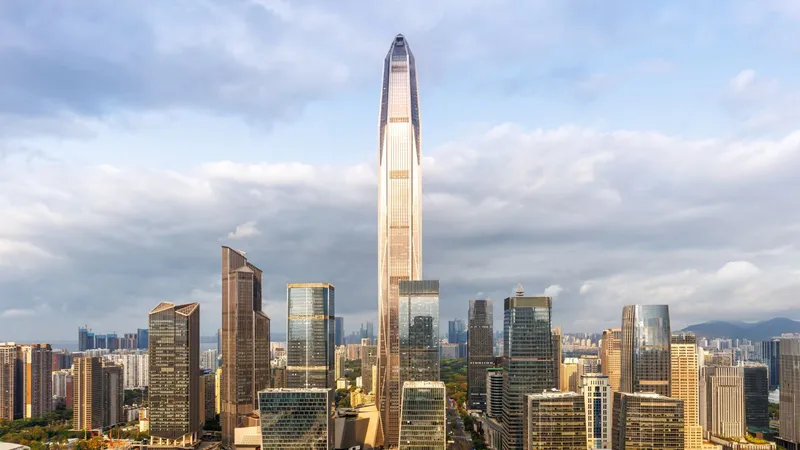
Among its many uses, this office, hotel, and retail tower is 599 metres (1,965 feet) tall and was finished in 2017. It stands out on the skyline of Shenzhen because of its modern design and LED façade.
Lotte World Tower, Seoul
The 555-meter (1,819-foot) Lotte World Tower opened to the public in 2017. Retail space, a five-star hotel, residences, and observation decks with city views are all part of the complex.
One World Trade Centre, New York
One World Trade Centre, which was finished in 2014, is 541 meters (1,776 ft) tall. With its observatory, office space, and the National September 11 Memorial & Museum, it stands as a symbol of perseverance.
CTF Finance Centre, Guangzhou
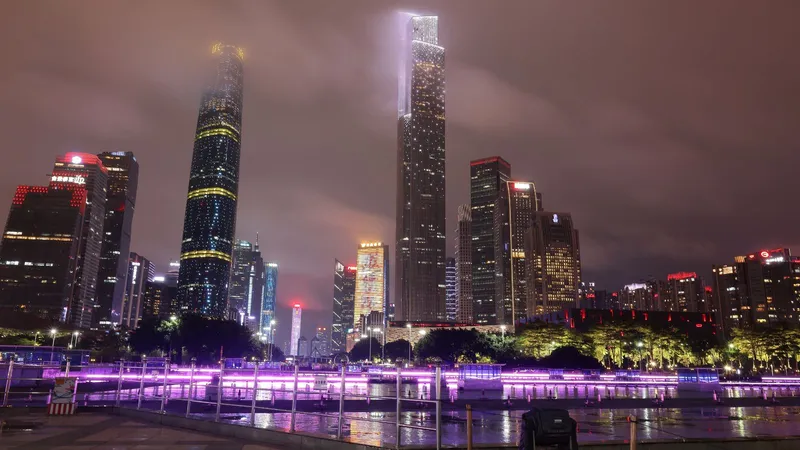
With a breathtaking design that incorporates the city's contemporary environment, this tower, which reached 530 meters (1,739 feet) when completed in 2016, has offices, a hotel, and serviced apartments.
CTF Finance Centre, Tianjin
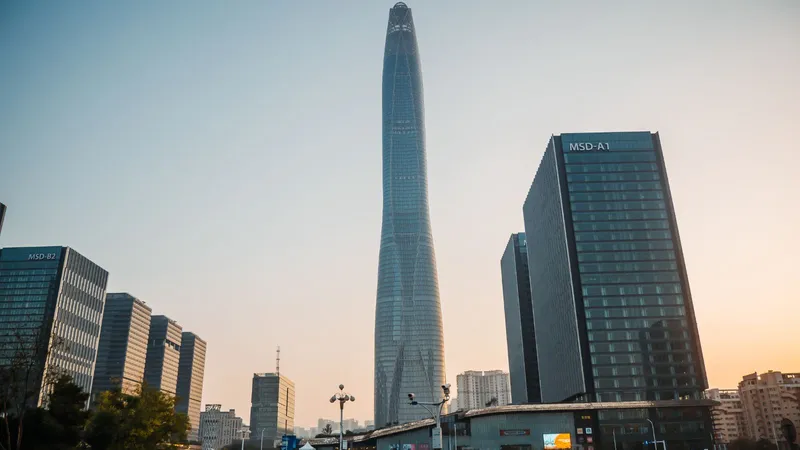
Also standing at 530 meters (1,739 feet) tall, the Tianjin CTF Finance Centre was completed in 2019. This multi-use skyscraper combines a hotel, serviced apartments, and office space, contributing significantly to Tianjin's metropolitan skyline.
CITIC Tower, Beijing
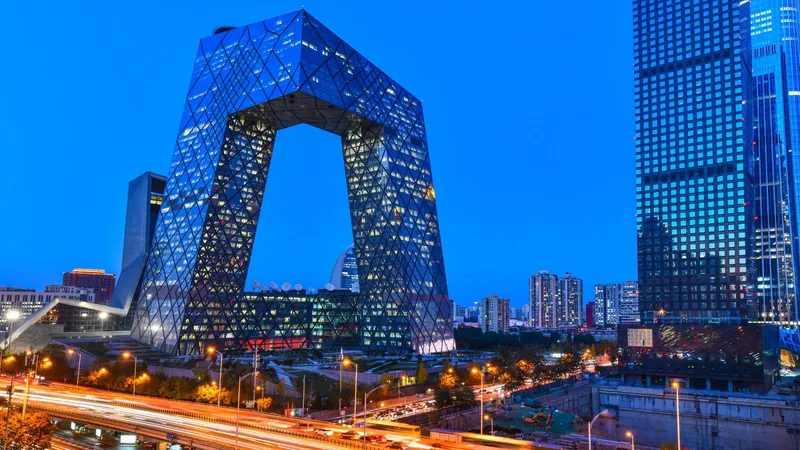
The CITIC Tower, erected in Beijing in 2018, stands at a height of 528 meters, or 1,731 feet. Its primary use is as a place of business. As a prominent feature of the metropolitan skyline, its design draws inspiration from traditional Chinese architecture.
_1748362857310_thumb_300.jpeg?w=800&f=webp&t=0cd0c090b559e0af)
Which country has the most skyscrapers?
The Council on Tall Buildings and Urban Habitat (CTBUH) reports that Hong Kong, with over 550 completed tall buildings, has the most skyscrapers in the world, placing it ahead of other cities that are striving to create even taller skylines. Chinese cities are well-known for their skyscrapers; Shanghai's skyline is a symbol of contemporary China, Shenzhen went from a fishing town to a metropolis with 444 buildings above 150 metres, and Wuhan has been slowly climbing the rankings, now boasting over 193 skyscrapers.
With 317 buildings reaching 150 meters or more, New York is frequently considered the cradle of skyscrapers, from the iconic Chrysler Building to more modern landmarks like the One World Trade Centre. The Burj Khalifa, standing at 828 meters, is the world's tallest structure; with more than 250 skyscrapers over 150 meters, Dubai is becoming known as the only Middle Eastern metropolis in the top ten. India ranks fifteenth in the world for the number of tall structures, with 106 crossing 150 metres, 45 crossing 200 metres, and only one over 300 metres. There are a lot of skyscrapers in Mumbai, India's financial hub, including Lokhandwala Minerva, standing at 301 metres.